The first thing I notice when Ayesha Rahman walks into the room is how little noise she makes. No entourage, no assistant, no fanfare — just a woman in a camel-colored linen shirt and well-worn black trousers, carrying a single leather tote that looks like it's traveled with her through a decade of Dhaka summers. She orders cardamom tea, sits down, and before I've even switched on my recorder, she says: 'Let's not start with the usual questions about what I'm wearing. Let's start with why.'
It is, I quickly learn, the most Ayesha Rahman thing she could possibly have said. Over the next two hours, she does not once mention a trend, a color of the season, or a designer label. Instead, she talks about architectural lines, the weight of cotton against humidity, and the quiet discipline of owning fewer, better things.
You've said before that minimalism is the ultimate luxury. What does that mean to you, practically?
Luxury, to me, is not about abundance. It's about clarity. When I open my wardrobe in the morning, I want to see ten things that each solve a problem — not fifty things that each create one. A great white shirt is a luxury because it eliminates a hundred small decisions. It works for a shoot, it works for dinner, it works for a school pickup. That is what I mean.
A great white shirt is a luxury because it eliminates a hundred small decisions.
How much of that philosophy was shaped by growing up in Dhaka, with its heat and humidity?
Everything. I grew up in a house where the fan was always on and the wardrobe was always light. My mother would tell me — 'you don't fight the weather, you dress for it.' You cannot wear heavy things in Dhaka and be present, be comfortable, be yourself. Breathable natural fabrics — cotton, linen, viscose — they are not a style choice here. They are a survival strategy.

You talk about 'timeless' pieces. What makes something truly timeless to you?
Three things. First — the cut. It has to be generous enough to move in, clean enough to feel modern ten years from now. Second — the fabric. It has to age well. A good linen gets better with every wash. A bad polyester gets worse. Third — the restraint. No excess trim, no logos, nothing that dates itself. If I can't imagine wearing a piece on a film set in 2035, I don't buy it today.
What does your actual morning look like? How do you choose what to wear?
Honestly? It takes me about ninety seconds. I open the wardrobe, I look at the weather through the window, and I let the day decide. If I'm filming outdoors in Old Dhaka in July, I reach for the lightest cotton I own. If I'm going to an evening event in Gulshan, I reach for one considered dress. I don't stand there for forty minutes trying to 'find something.' The whole point of a curated wardrobe is that it removes the search.
You cannot wear heavy things in Dhaka and be present, be comfortable, be yourself.
You've worked with LEND recently. What drew you to them?
What drew me was that they understand the same thing I've been trying to say for years. Their clothes are not designed for a runway in Paris. They're designed for a woman in Dhaka, in July, who still wants to look and feel beautiful. The viscose they use in their floral maxis — I've worn that dress for twelve hours straight at an event and never once felt like I needed to change. That's not marketing. That's engineering.
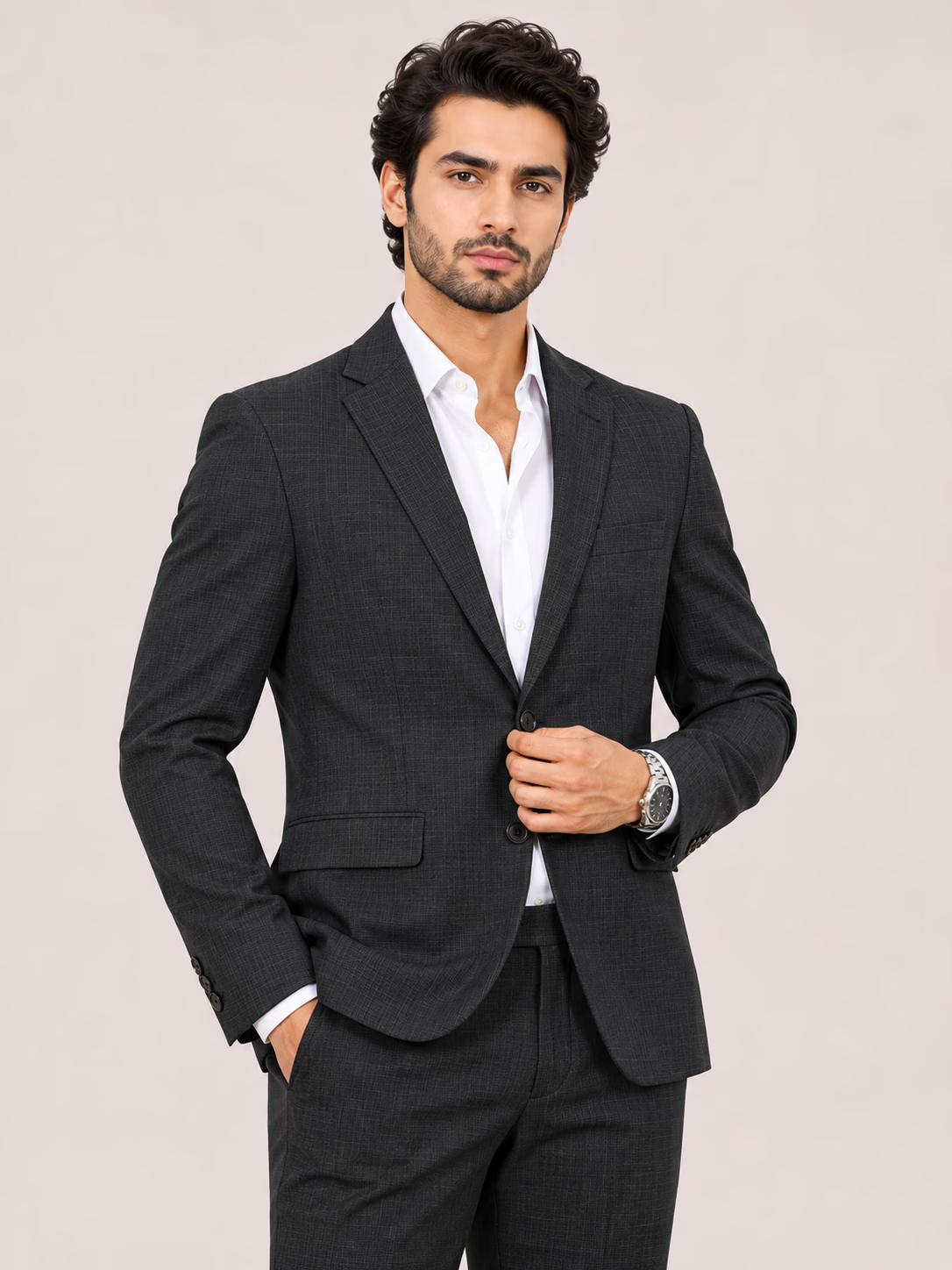
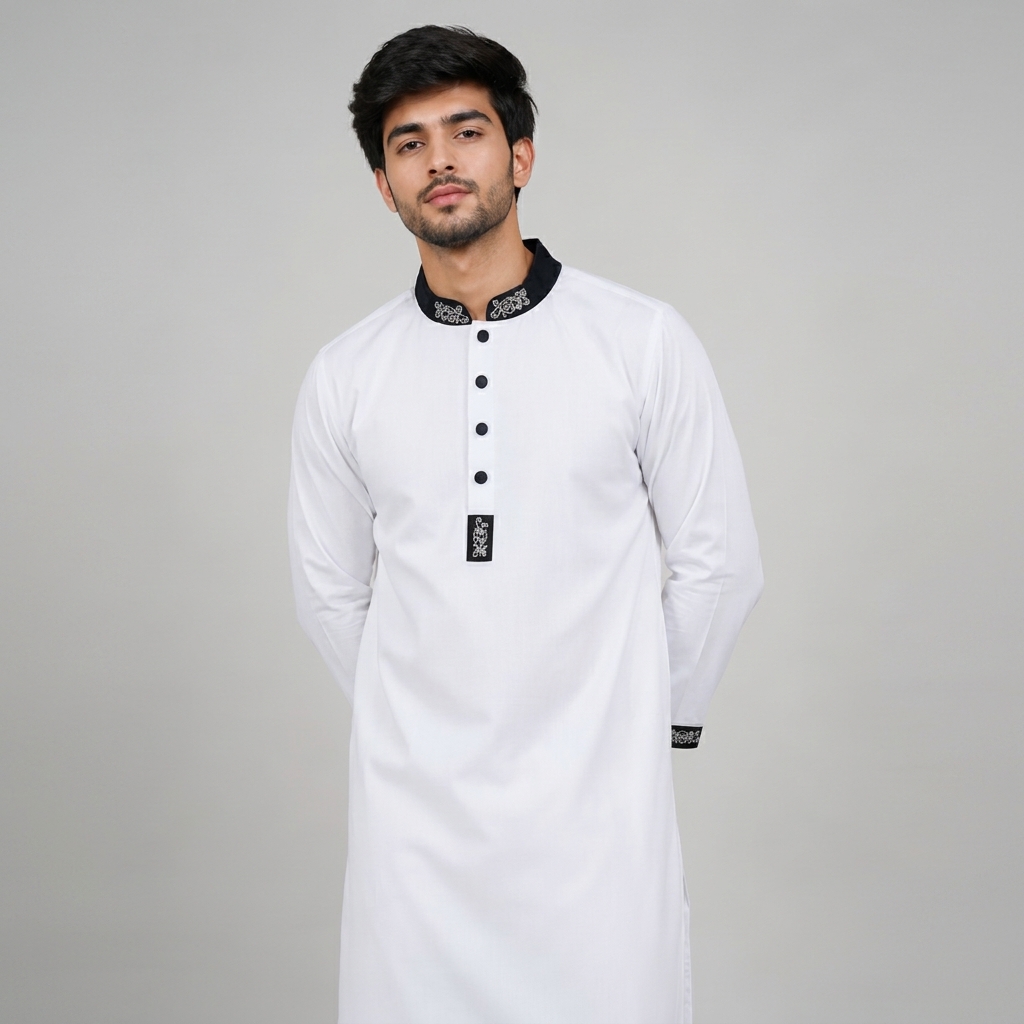
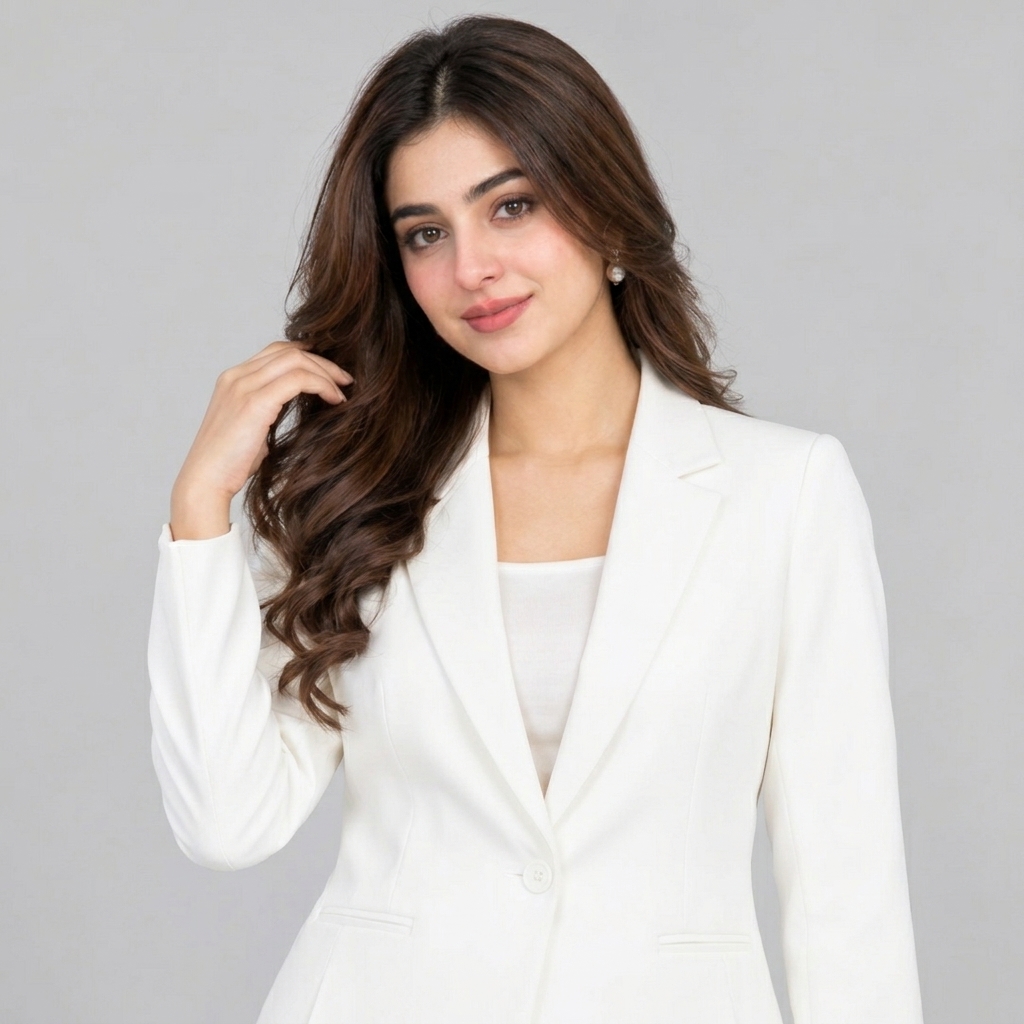
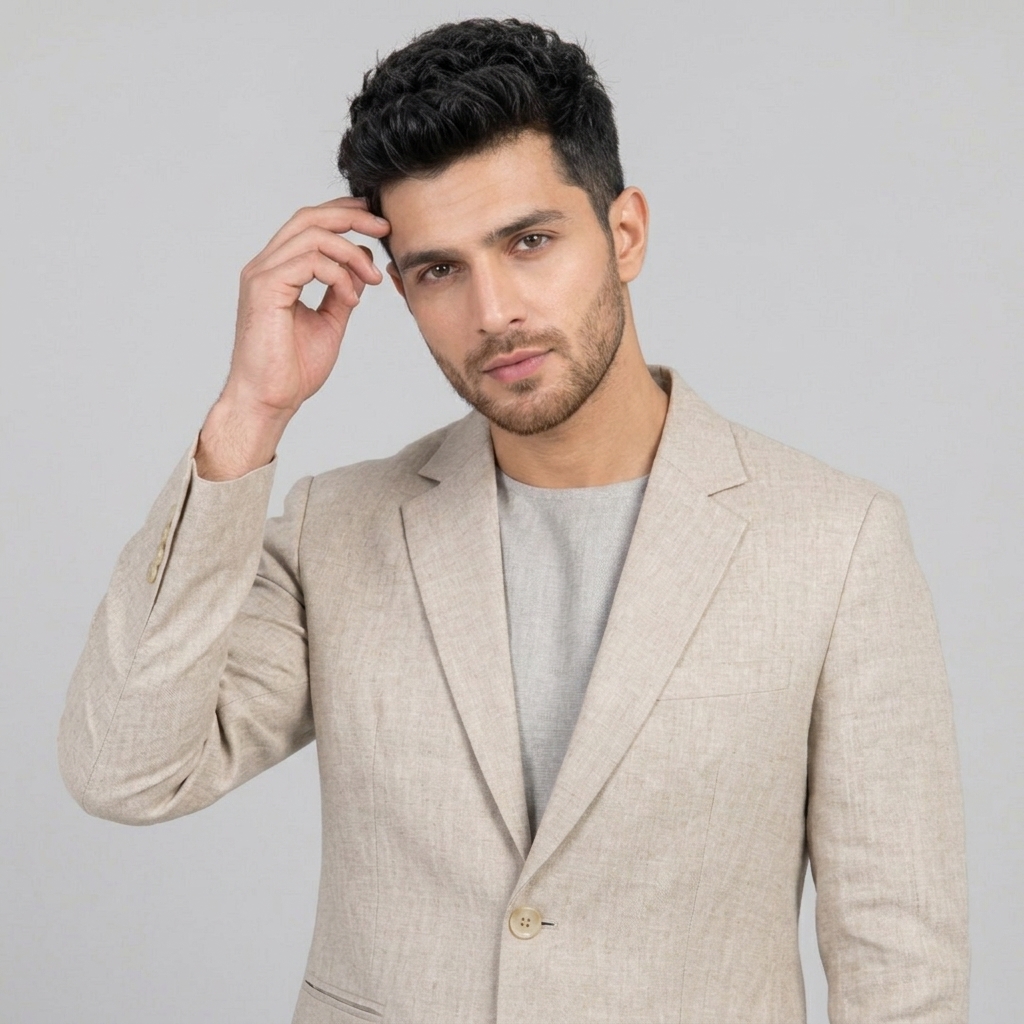
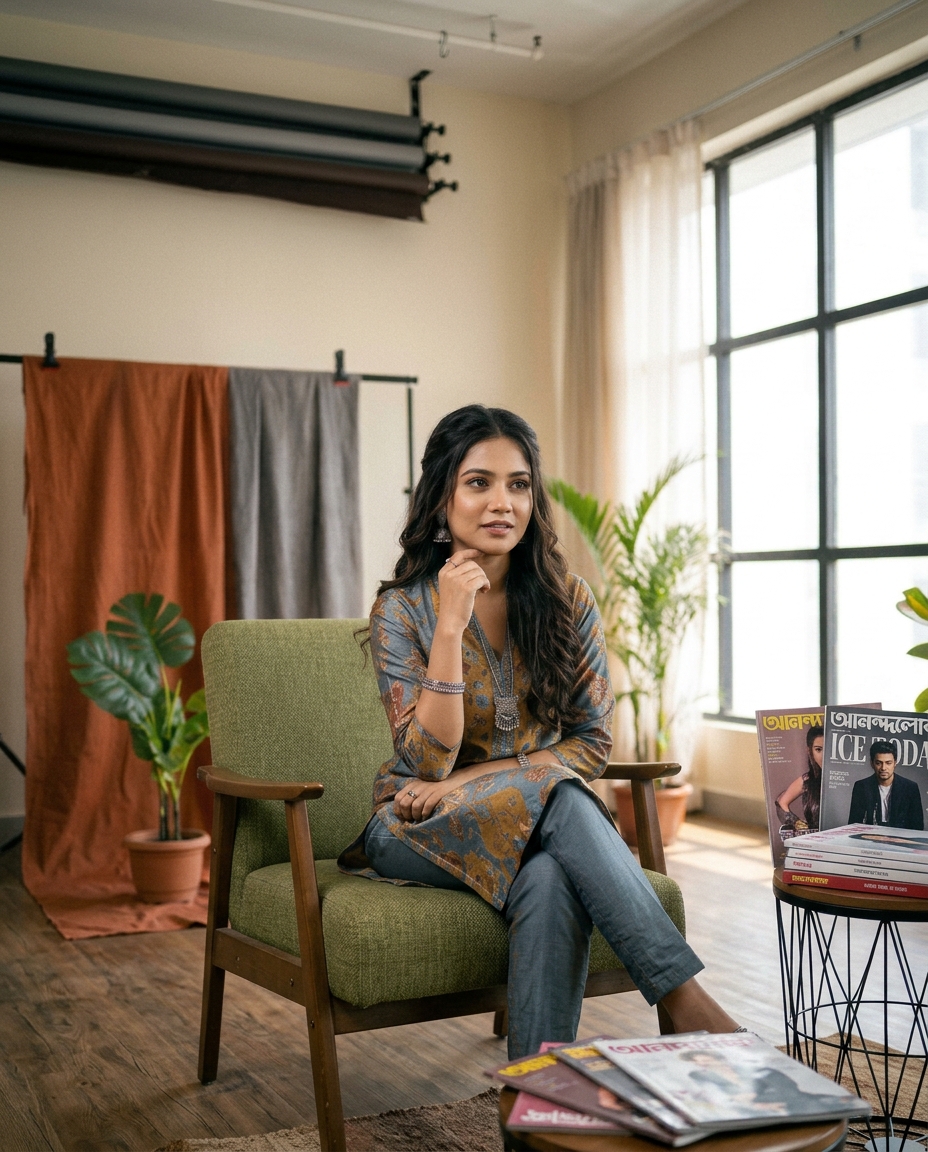
A morning with Ayesha.
Four frames from our cover shoot in Gulshan, Dhaka. Click any image to view full size.
 01
 02
03
 04
What would you tell a young woman in Bangladesh who's trying to figure out her own style?
Stop buying what you see on Instagram. Start buying what you actually reach for. Keep a small box in the corner of your room — every three months, put in it everything you haven't worn. You'll be shocked how much ends up in that box. Then do the math: how much money did you spend on things you never wore? That number is your lesson. And then, one day, you'll open your wardrobe and there will be twelve pieces that feel like you. That's the day you have a style.
And what about the pieces you do keep? What are the ones that have lasted?
A linen shirt I bought eleven years ago in Bangkok — still my favorite. A black silk blouse from my first film's wardrobe department — I've had it taken in and let out three times. A pair of wide-leg trousers I bought in Chattogram for a shoot — I wore them again last week. The pieces that last, last because they were well-made and I took care of them. I wash cold, I hang dry, I iron on the reverse. Clothing is a relationship. If you treat it like a transaction, it will leave you.
One last question. What do you want to be remembered for — not as an actress, but as a woman with a wardrobe?
I want to be remembered for not being memorable. That's the whole thing. I don't want someone to look back at my photographs and say — 'oh, that trend, that season, that brand.' I want them to look and say — 'she looked like herself.' That's the highest compliment I could ever receive. That's why I'm here. Not to be seen. To be recognized.